


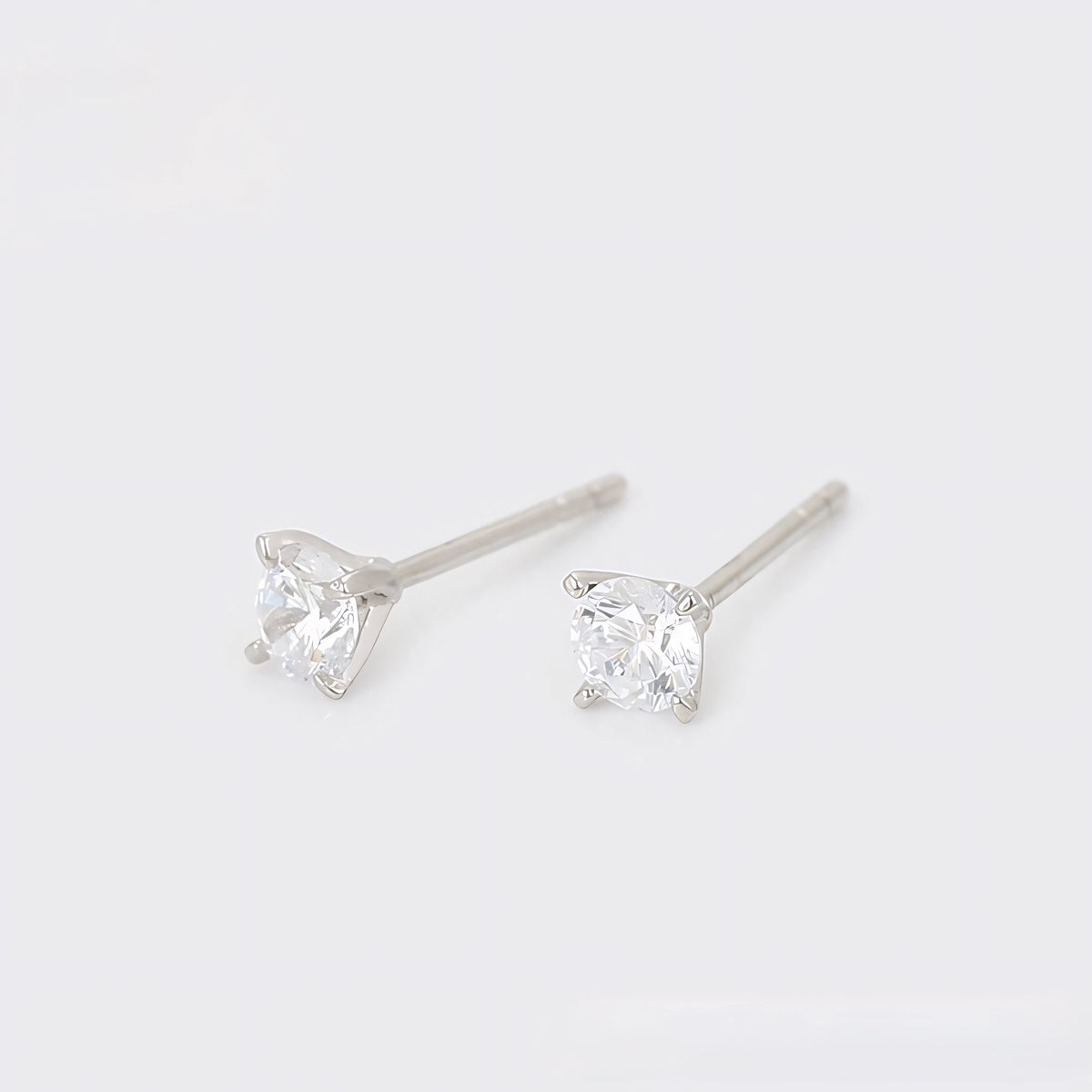
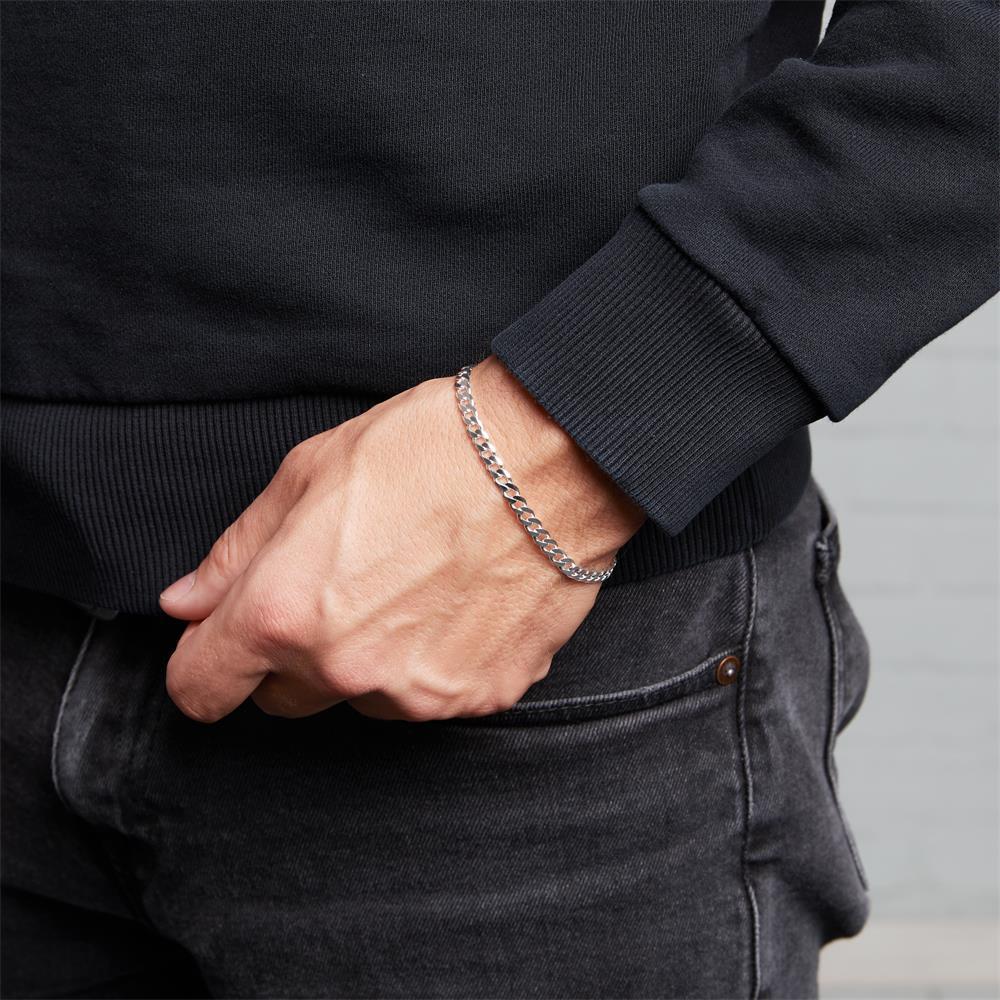

Approximately 15% of the population has a reaction to certain metals, which is why hypoallergenic jewelry has become more in demand. Many people have a misconception about hypoallergenic jewelry, as few people truly know what it means to purchase this type of jewelry.
In this blog, we will help you clarify important concepts that will help you identify a hypoallergenic piece of jewelry and its benefits.
What is hypoallergenic jewelry?
Hypoallergenic jewelry is jewelry made with carefully selected metal alloys, as jewelers aim to minimize the possibility of causing an allergic reaction.
You have probably decided to wear a piece of jewelry and, minutes after wearing it, your skin suffered reactions such as itching and irritation. This means that your skin is not compatible with some of the metals in the jewelry, which is mostly caused by nickel, as it is an allergenic metal. Because of this problem and as a precaution, the concept of hypoallergenic jewelry emerged.
A piece of misinformation that many jewelry lovers believe is that hypoallergenic jewelry does not cause allergies; however, the risk of allergies is reduced as much as possible, but the reality is that the risk cannot be completely eliminated.

What is behind hypoallergenic jewelry?
The solution to skin problems when wearing jewelry can be summarized as hypoallergenic jewelry. As we have seen, a large percentage of people may suffer from this problem; however, it is important to understand that the concepts of nickel-free and hypoallergenic jewelry are not the same. When a piece is identified as hypoallergenic jewelry, it may or may not contain the minimum percentage of nickel—that is, it is below the level that could cause skin problems.
It is worth noting that nickel is not the only cause of allergies. Bronze and copper can also cause allergic reactions in some people. Even gold and silver can cause discomfort, as they are very soft in their purest form and must be mixed with other metals to achieve greater hardness and color.
This is why many pieces of jewelry that claim to be hypoallergenic contain nickel to improve their properties. Therefore, this term does not mean that they do not contain this metal, but rather that the amount they contain is slightly allergenic and does not cause as many problems.

Metals found in hypoallergenic jewelry
You have probably heard that the purer a metal is, the less alloy it contains. Gold is one example: the higher the karat number, the purer it is. But gold is not the only safe metal; we have other options:
- Titanium: This is an element, not an alloyed metal. And by nature, it does not contain nickel. It is undoubtedly one of the purest metals, and you can avoid allergic reactions with it.
- Niobium: Similarly, niobium is an element, so it does not contain nickel.
- Surgical stainless steel: Although it may not be 100% nickel-free, it is undoubtedly a good option for avoiding allergic reactions.
- Platinum: This is considered one of the purest metals for jewelry. When purchasing jewelry made from this metal, you can be sure that you will not have any issues.
- Argentium silver: It is made from recycled silver, making it eco-friendly and allergen-free. This is why it is called the whitest metal on the market.
- Sterling silver: This is a common metal on the market, so many people have not had problems wearing it. Although most silver does not contain nickel, it is always better to be sure.
-
Rhodium-plated silver: Rhodium is a hypoallergenic metal, so it does not cause skin reactions or allergies upon direct contact with the skin, unlike nickel, cadmium, or chromium, which may be present in sterling silver, 18k gold, and stainless steel.
Metals not found in hypoallergenic jewelry
You may have found a piece of jewelry that you really liked, but if it contains any of these materials, it is best to check before purchasing if you are not allergic to avoid them in your jewelry:
- Nickel: As we have explained throughout this blog, nickel is not a good option for your jewelry if you suffer from any type of allergy.
- White gold: The shine of a gold piece may not always mean it is the best option. This shine could cause an allergy.
- Brass: Another metal that causes allergies. It contains copper, nickel, or zinc and is clearly not hypoallergenic.
Discover our hypoallergenic rhodium jewelry
Rhodium is essential for our pieces to have their characteristic silver shine and color, as seen in our different ring models. By using rhodium, we prevent silver from tarnishing over time. To do this, the jewelry pieces are submerged in an electrolytic bath so that this metal adheres to the jewelry's base metal.
Rhodium is a precious metal and its price can even exceed that of gold. Rhodium is found in only a few countries on the planet. For this reason, our pieces guarantee the quality, finishes, and durability you need, and you can be sure that you will reduce the possibility of skin problems, as they are not only hypoallergenic jewelry, but our pieces are also nickel-free.
